
News
EC approves Sri Lanka using Indonesian fabrics in apparel products exported under GSP scheme


The European Commission (EC) has approved Sri Lanka’s request to use fabrics of Indonesian Origin for textile and apparel products exported under the EU GSP Scheme, the EU said in a press release.
The EC has said: “The European Commission has adopted a favourable decision on 09th July 2024 on the joint application made by Sri Lanka and Indonesia, granting permission for Sri Lanka to use fabrics and materials of Indonesian origin falling under HS Chapters 51 to 55, 58 and 60 for manufacturing certain textile and apparel products under HS Chapters 61,62 and 63 destined for the EU region, and for such products to qualify for duty concessions under the EU GSP Scheme. This flexibility will continue provided that both countries remain GSP beneficiary countries.
“Under the current EU GSP scheme, the rule of origin to be met for the products of HS Chapters 61, 62 and 63 is a rule of double transformation, which requires that the fabrics used in the manufacturing in Sri Lanka are either produced locally, imported from the Union, imported from South Asia, or upon request, imported from another country of regional group I. Sri Lanka submitted the joint application with Indonesia which belongs to regional group I, since it is a very strong textile producer covering cotton, manmade fibres and synthetics which could adequately supply fabrics to Sri Lanka where the fabric supply base is insufficient to cater to the export-oriented garment sector.
“Since Sri Lanka largely sources fabrics from China, a considerable proportion of textile and apparel products exported to the EU region falls outside the EU GSP Scheme, and therefore do not qualify for duty concessions. In this context, the flexibility granted by the EU region for Sri Lanka to use fabrics and other materials sourced from Indonesia for its exports to the EU region would provide greater market access to the region for the Sri Lankan apparel sector exporters and would improve the utilization of the benefits granted under the EU GSP Scheme. The decision shall apply with effect from 08 August 2024.
“The application was a joint effort by the Department of Commerce Sri Lanka, Joint Apparel Association Forum of Sri Lanka, Embassy of Sri Lanka in Jakarta, Embassy of Sri Lanka in Brussels and the Ministry of Trade of Indonesia. Both countries have undertaken to ensure compliance with the GSP rules of origin and with all other provisions concerning the implementation of the rules of preferential origin.
The European Commission (EC) has previously approved a joint request submitted by Sri Lanka and Indonesia on the tobacco sector in 2012 allowing the Indonesian tobacco growing sector to supply materials of Indonesian origin to the Sri Lankan cigar manufacturing sector to benefit from the EU GSP under the Cross Regional Cumulation.”


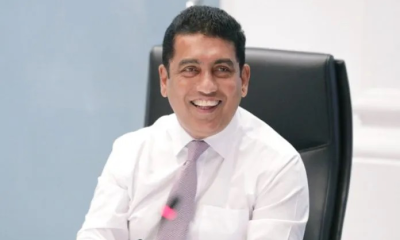






Prime Minister Dr. Harini Amarasuriya met King Jigme Khesar Namgyel Wangchuck of Bhutan at the historic Tashichhodzong, in Thimphu, last Wednesday (02), with discussions focusing on Bhutan’s development priorities and ways to strengthen bilateral relations with Sri Lanka.
The meeting took place during Dr. Amarasuriya’s official visit to Bhutan.
The Bhutanese King expressed interest in drawing on Sri Lanka’s experience and expertise in areas relevant to the country’s long-term development plans, according to a statement issued, following the meeting.
The two sides also discussed opportunities to expand investment cooperation, including a proposal to establish an investment zone in Bhutan.
The discussions further covered demographic challenges facing Bhutan, particularly the increasing migration of young people and its potential impact on the country’s future workforce and population.
Both sides underscored the importance of sustainable development and creating greater opportunities for young people to contribute to national economic growth and development.
The meeting formed part of efforts to broaden cooperation between Sri Lanka and Bhutan beyond traditional areas of bilateral engagement, with investment, development expertise and demographic concerns emerging as areas of common interest.
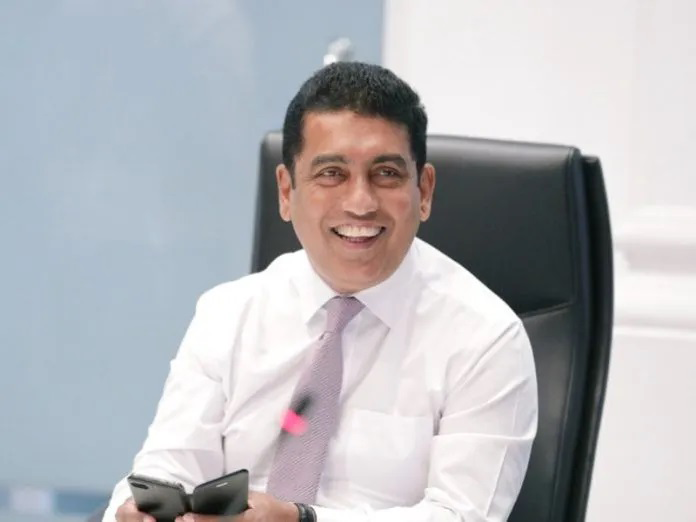
Former Minister Johnston Fernando was granted bail yesterday after being produced before court following his arrest by the Commission to Investigate Allegations of Bribery or Corruption (CIABOC) over alleged irregularities in the procurement of chairs for the Mahinda Rajapaksa Theatre in Polgolla.
Fernando was arrested by the Bribery Commission yesterday morning after he arrived at the CIABOC to provide a statement in connection with the ongoing investigation.
The investigation centres on the procurement of chairs for the auditorium, with CIABOC alleging that the prescribed procurement procedure was not followed, resulting in a financial loss of approximately Rs. 7.97 million to the State.
According to the Commission, the alleged irregularities caused a loss of Rs. 7,973,114 to the Central Engineering Consultancy Bureau.
CIABOC said Fernando was arrested on allegations of committing an offence of corruption in connection with the procurement transaction.
He was subsequently produced before court and granted bail.The arrest forms part of an ongoing CIABOC investigation into the alleged procurement irregularities and the financial loss incurred by the State.

The Supreme Court yesterday concluded hearing 15 petitions challenging the constitutionality of the Anti-Corruption (Amendment) Bill presented to Parliament by the Government.
A three-member bench, comprising Justices Shiran Gooneratne, Mahinda Samayawardhena and Sampath Wijeratne, heard the petitions over two days.
Following the conclusion of oral submissions, the bench directed the relevant parties to file any written submissions by noon on Monday.
The Court said its determination on the constitutionality of the proposed legislation would be communicated confidentially to the Speaker of Parliament and the President in due course.
The petitions were filed by several parties, including former Minister Prof. G. L. Peiris, the Media Law Forum and Transparency International Sri Lanka.
The petitioners contended that the proposed amendments would curtail judicial power and infringe fundamental rights guaranteed by the Constitution.
They accordingly urged the Supreme Court to determine that the Bill, in its present form, requires approval by the people at a referendum in addition to the required parliamentary process.
The Court’s determination will be conveyed to the Speaker, who will then communicate the relevant constitutional position to Parliament in accordance with the Constitution.

PM Harini, Bhutan King explore closer ties

Johnston granted bail following CIABOC arrest

SC concludes hearing of petitions against Anti-Corruption Bill

US Maritime Commission chiefs to visit Lanka to boost shipping ties

Sajith calls for national dialogue on constitutional reform

AIA delivers strong first half results in 2026; double-digit growth across key financial metrics

‘Dates have the highest sugar content to fight Coronavirus’

Sunday Island 27 December – Headlines

#SundayIsland 17th December – Headlines

Sunday Island – 28th March

Sunday Island Headlines – 21 March

Sunday Island – 21st February – Headlines
-

 Features6 days ago
“Wrap Me Up in My Blazer”— A Gentlemanly Bradby Reminiscence
-

 Features5 days ago
When Sri Lankan stories find their own voice
-

 Features6 days ago
JVP/NPP government as seen from outside by Lionel Bopage now domiciled in Australia
-

 News5 days ago
BASL takes exception to Justice Ganepola being denied a place in SC
-

 Features6 days ago
Prof. Savitri Goonesekere: What has she done?
-

 News2 days ago
Denied of promotion to SC despite vacancies, justice Gurusinghe retires
-

 Latest News3 days ago
Grade 5 scholarship exam results released
-

 Features6 days ago
World Trade Politics: Canada rebuffs Trump’s tariff blackmail