
Features
Understanding Poverty: A complex, multidimensional challenge

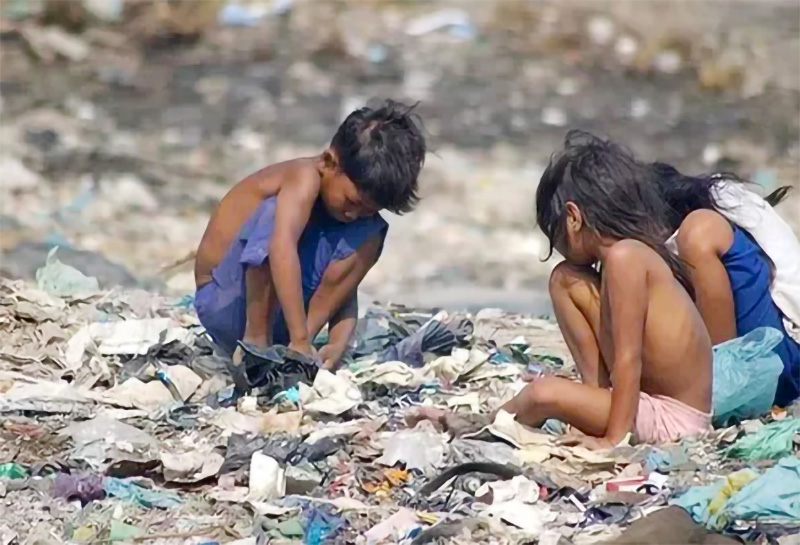
 Poverty is one of the most pressing and pervasive issues facing the world today. It affects billions of people globally, diminishing their quality of life, limiting their opportunities, and perpetuating a cycle of deprivation that can span generations. Understanding poverty requires a multidimensional approach that goes beyond mere economic measures. It encompasses social, cultural, political, and environmental factors, each contributing to the persistence of poverty and shaping the lived experiences of those affected by it.
Defining Poverty
Poverty is typically defined as the state of lacking sufficient financial resources to meet basic living standards such as food, shelter, and healthcare. The most common measure is income poverty, where individuals live on less than a certain amount per day. For instance, the World Bank defines extreme poverty as living on less than $1.90 a day. However, poverty is not solely about income. The multidimensional poverty index (MPI) considers various factors, including education, health, and living standards, providing a more comprehensive view of poverty.
Sri Lanka’s economic growth and extreme level of corruption have been a crucial factor in reducing poverty. The expansion of sectors such as tourism, manufacturing, and services has provided new employment opportunities, particularly in urban areas. However, the benefits of economic growth have not been evenly distributed. Additionally, the economic disruptions caused by the COVID-19 pandemic have highlighted the vulnerability of many households, pushing some back into poverty due to loss of income and employment.
Economic Factors
The economic dimensions of poverty are often the most visible and measurable. Unemployment, underemployment, and low wages are primary contributors to poverty. In many developing countries, large segments of the population work in informal sectors with no job security, benefits, or legal protections. Economic instability and lack of access to credit also exacerbate poverty, trapping individuals and families in a cycle of debt and financial insecurity.
Globalization and technological advancements have created economic growth in many regions, but the benefits have not been equitably distributed. Wealth concentration among the elite contrasts sharply with widespread poverty. Economic policies and practices, such as austerity measures, can also negatively impact the poor, reducing access to essential services and support.
Social and Cultural Factors
Social and cultural factors play a significant role in perpetuating poverty. Discrimination, based on race, gender, ethnicity, or religion, can limit access to education, employment, and social services. Gender inequality is particularly notable, with women often experiencing higher rates of poverty due to systemic barriers such as wage gaps, limited employment opportunities, and the burden of unpaid care work.
Cultural norms and traditions can also influence poverty. In some societies, rigid social structures and expectations restrict social mobility, making it difficult for individuals to improve their economic status. Additionally, marginalized communities may lack political representation, further entrenching their disadvantaged positions.
Health and Education
Health and education are critical components of the poverty equation. Poor health can be both a cause and consequence of poverty. Lack of access to healthcare services, inadequate nutrition, and unsafe living conditions contribute to high morbidity and mortality rates among the poor. Health issues can limit individuals’ ability to work or attend school, thereby reducing their economic opportunities and perpetuating the cycle of poverty.
Education is a powerful tool for breaking the cycle of poverty. However, access to quality education remains uneven, particularly in low-income countries. Children from poor families often face barriers such as inadequate school facilities, lack of trained teachers, and the need to work to support their families. Without education, these children are less likely to secure well-paying jobs, perpetuating the cycle of poverty.
Sri Lanka boasts high literacy rates and relatively good health indicators compared to other South Asian nations, thanks to its focus on free education and healthcare services. These investments have helped build human capital and enhance economic opportunities for the poor.
Environmental Factors
Environmental issues, like deforestation, soil erosion, and water scarcity, can devastate these communities, reducing their income and food security.
Climate change exacerbates existing vulnerabilities. Extreme weather events, such as floods, droughts, and hurricanes, disproportionately impact poor communities, which often lack the resources to recover and rebuild. Additionally, the poor are more likely to live in areas prone to environmental hazards due to cheaper land prices, increasing their risk of exposure to natural disasters.
Political Factors
Political instability, corruption, and poor governance are significant barriers to poverty reduction. In many countries, corruption siphons off resources that could be used for social services, infrastructure, and economic development. Political instability disrupts economic activities, discourages investment, and leads to displacement and insecurity.
Effective governance and political will are crucial for poverty alleviation. Policies that promote economic growth, ensure fair distribution of resources, and protect human rights are essential. Social safety nets, such as unemployment benefits, healthcare, and education subsidies, can provide a buffer against economic shocks and help lift people out of poverty.
Challenges and Barriers to Sri Lanka
A significant barrier to poverty reduction in Sri Lanka is the pervasive corruption among politicians and certain segments of the administration, particularly within revenue-collecting institutions, such as customs. This corruption undermines economic growth and equitable development by diverting resources that could otherwise be used for social welfare programmes, infrastructure improvements, and other poverty alleviation initiatives. Moreover, the inefficiency and lack of transparency in these institutions hinder effective governance, erode public trust, and create an environment where illicit practices can flourish, further entrenching poverty and inequality. Addressing this issue requires robust anti-corruption measures, institutional reforms, and enhanced accountability mechanisms to ensure that resources are used effectively and equitably for the benefit of all citizens.
Microfinance: A Double-Edged Sword
Microfinance has been promoted as a tool for poverty alleviation by providing small loans to those who lack access to traditional banking services. However, in Sri Lanka, microfinance has also contributed to sustaining poverty. Many microfinance institutions charge very high interest rates, trapping borrowers in a cycle of debt. Instead of lifting families out of poverty, these loans can exacerbate financial stress and lead to further economic hardship.
High interest rates and aggressive collection practices have led to widespread indebtedness among poor households. Borrowers often take out multiple loans to repay existing debts, leading to a vicious cycle of borrowing and repayment. This situation is particularly dire in rural areas, where economic opportunities are limited, and borrowers have fewer means to repay their debts.
Addressing Poverty: A Multifaceted Approach
Addressing poverty requires a comprehensive, multifaceted approach that tackles its root causes and mitigates its effects.
Policies should focus on inclusive economic growth, controlling corruption, ensuring that the benefits of development reach the poorest segments of society. Investing in education and healthcare is vital for building human capital and improving long-term economic prospects.
Social policies must address discrimination and promote equality. Empowering marginalized communities through legal reforms, political representation, and social programmes can help break the cycle of poverty. Gender-sensitive policies are particularly important, as women and children often bear the brunt of poverty’s effects. Expanding and strengthening social protection programmes to cover more vulnerable groups, including informal workers, elderly, and disabled individuals.
Environmental sustainability should be integrated into poverty reduction strategies. Protecting natural resources, promoting sustainable agricultural practices, and addressing climate change are essential for ensuring the long-term well-being of impoverished communities. Disaster risk reduction and resilience-building measures can also mitigate the impacts of environmental shocks.
International cooperation and aid play a crucial role in supporting poverty reduction efforts, particularly in the poorest countries. However, aid should be carefully managed to ensure it reaches those who need it most and supports sustainable development.
Job Creation and Formalization:
Encouraging job creation in both urban and rural areas, with a focus on formalizing the informal sector. Providing training and skills development can help workers transition to more secure and better-paying jobs.
Education and Healthcare:
Continuing to invest in education and healthcare to build human capital. Enhancing the quality of education and making healthcare services more accessible, particularly in rural areas, will contribute to long-term poverty reduction.
Conclusion
Poverty is a complex and multifaceted issue that requires a holistic approach to address effectively. It is not merely about a lack of income but encompasses various dimensions, including health, education, social inclusion, and environmental sustainability. By working together at local, national, and international levels, we can create a more equitable and just world where poverty is significantly reduced, and all individuals have the opportunity to thrive.
A major barrier that Sri Lanka faces is the extreme level of corruption among politicians and certain segments of the administration, especially within revenue-collecting institutions, such as customs. By adopting a comprehensive and inclusive approach that addresses the root causes of poverty and promotes sustainable development, Sri Lanka can continue to make strides towards eradicating poverty and ensuring a better quality of life for all its citizens. The road ahead requires concerted efforts from the government, civil society, and the international community to build a more equitable and resilient nation.
(The writer, a senior Chartered Accountant and professional banker, is Professor at SLIIT University, Malabe. He is also the author of the “Doing Social Research and Publishing Results”, a Springer publication (Singapore), and “Samaja Gaveshakaya (in Sinhala). The views and opinions expressed in this article are solely those of the author and do not necessarily reflect the official policy or position of the institution he works for. He can be contacted at saliya.a@slit.lk and www.researcher.com)

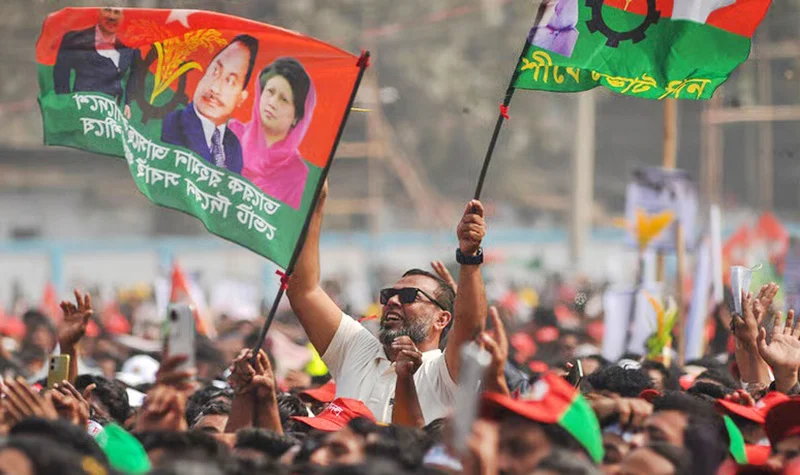
 Will the Bangladesh parliamentary election bring into being a government that will ensure ethnic and religious harmony in the country? This is the poser on the lips of peace-loving sections in Bangladesh and a principal concern of those outside who mean the country well.
The apprehensions are mainly on the part of religious and ethnic minorities. The parliamentary poll of February 12th is expected to bring into existence a government headed by the Bangladesh Nationalist Party (BNP) and the Islamist oriented Jamaat-e-Islami party and this is where the rub is. If these parties win, will it be a case of Bangladesh sliding in the direction of a theocracy or a state where majoritarian chauvinism thrives?
Chief of the Jamaat, Shafiqur Rahman, who was interviewed by sections of the international media recently said that there is no need for minority groups in Bangladesh to have the above fears. He assured, essentially, that the state that will come into being will be equable and inclusive. May it be so, is likely to be the wish of those who cherish a tension-free Bangladesh.
The party that could have posed a challenge to the above parties, the Awami League Party of former Prime Minister Hasina Wased, is out of the running on account of a suspension that was imposed on it by the authorities and the mentioned majoritarian-oriented parties are expected to have it easy at the polls.
A positive that has emerged against the backdrop of the poll is that most ordinary people in Bangladesh, be they Muslim or Hindu, are for communal and religious harmony and it is hoped that this sentiment will strongly prevail, going ahead. Interestingly, most of them were of the view, when interviewed, that it was the politicians who sowed the seeds of discord in the country and this viewpoint is widely shared by publics all over the region in respect of the politicians of their countries.
Some sections of the Jamaat party were of the view that matters with regard to the orientation of governance are best left to the incoming parliament to decide on but such opinions will be cold comfort for minority groups. If the parliamentary majority comes to consist of hard line Islamists, for instance, there is nothing to prevent the country from going in for theocratic governance. Consequently, minority group fears over their safety and protection cannot be prevented from spreading.
Therefore, we come back to the question of just and fair governance and whether Bangladesh’s future rulers could ensure these essential conditions of democratic rule. The latter, it is hoped, will be sufficiently perceptive to ascertain that a Bangladesh rife with religious and ethnic tensions, and therefore unstable, would not be in the interests of Bangladesh and those of the region’s countries.
Unfortunately, politicians region-wide fall for the lure of ethnic, religious and linguistic chauvinism. This happens even in the case of politicians who claim to be democratic in orientation. This fate even befell Bangladesh’s Awami League Party, which claims to be democratic and socialist in general outlook.
We have it on the authority of Taslima Nasrin in her ground-breaking novel, ‘Lajja’, that the Awami Party was not of any substantial help to Bangladesh’s Hindus, for example, when violence was unleashed on them by sections of the majority community. In fact some elements in the Awami Party were found to be siding with the Hindus’ murderous persecutors. Such are the temptations of hard line majoritarianism.
In Sri Lanka’s past numerous have been the occasions when even self-professed Leftists and their parties have conveniently fallen in line with Southern nationalist groups with self-interest in mind. The present NPP government in Sri Lanka has been waxing lyrical about fostering national reconciliation and harmony but it is yet to prove its worthiness on this score in practice. The NPP government remains untested material.
As a first step towards national reconciliation it is hoped that Sri Lanka’s present rulers would learn the Tamil language and address the people of the North and East of the country in Tamil and not Sinhala, which most Tamil-speaking people do not understand. We earnestly await official language reforms which afford to Tamil the dignity it deserves.
An acid test awaits Bangladesh as well on the nation-building front. Not only must all forms of chauvinism be shunned by the incoming rulers but a secular, truly democratic Bangladesh awaits being licked into shape. All identity barriers among people need to be abolished and it is this process that is referred to as nation-building.
On the foreign policy frontier, a task of foremost importance for Bangladesh is the need to build bridges of amity with India. If pragmatism is to rule the roost in foreign policy formulation, Bangladesh would place priority to the overcoming of this challenge. The repatriation to Bangladesh of ex-Prime Minister Hasina could emerge as a steep hurdle to bilateral accord but sagacious diplomacy must be used by Bangladesh to get over the problem.
A reply to N.A. de S. Amaratunga
A response has been penned by N.A. de S. Amaratunga (please see p5 of ‘The Island’ of February 6th) to a previous column by me on ‘ India shaping-up as a Swing State’, published in this newspaper on January 29th , but I remain firmly convinced that India remains a foremost democracy and a Swing State in the making.
If the countries of South Asia are to effectively manage ‘murderous terrorism’, particularly of the separatist kind, then they would do well to adopt to the best of their ability a system of government that provides for power decentralization from the centre to the provinces or periphery, as the case may be. This system has stood India in good stead and ought to prove effective in all other states that have fears of disintegration.
Moreover, power decentralization ensures that all communities within a country enjoy some self-governing rights within an overall unitary governance framework. Such power-sharing is a hallmark of democratic governance.
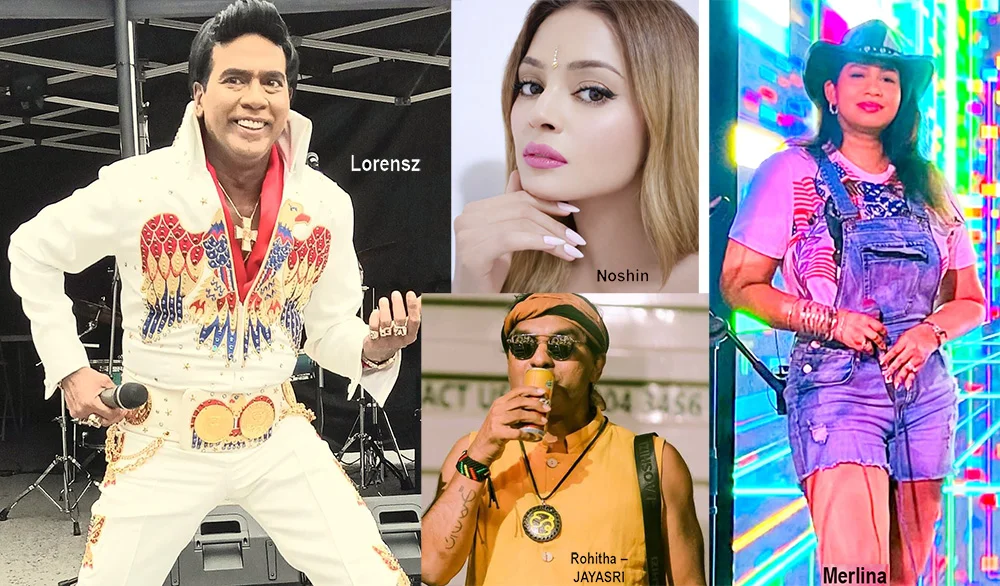
 Valentine’s Day is all about celebrating love, romance, and affection, and this is how some of our well-known personalities plan to celebrate Valentine’s Day – 14th February:
Merlina Fernando (Singer)
Yes, it’s a special day for lovers all over the world and it’s even more special to me because 14th February is the birthday of my husband Suresh, who’s the lead guitarist of my band Mission.
We have planned to celebrate Valentine’s Day and his Birthday together and it will be a wonderful night as always.
We will be having our fans and close friends, on that night, with their loved ones at Highso – City Max hotel Dubai, from 9.00 pm onwards.
Lorensz Francke (Elvis Tribute Artiste)
On Valentine’s Day I will be performing a live concert at a Wealthy Senior Home for Men and Women, and their families will be attending, as well.
I will be performing live with romantic, iconic love songs and my song list would include ‘Can’t Help falling in Love’, ‘Love Me Tender’, ‘Burning Love’, ‘Are You Lonesome Tonight’, ‘The Wonder of You’ and ‘’It’s Now or Never’ to name a few.
To make Valentine’s Day extra special I will give the Home folks red satin scarfs.
Emma Shanaya (Singer)
I plan on spending the day of love with my girls, especially my best friend. I don’t have a romantic Valentine this year but I am thrilled to spend it with the girl that loves me through and through. I’ll be in Colombo and look forward to go to a cute cafe and spend some quality time with my childhood best friend Zulha.
JAYASRI

Emma-and-Maneeka
This Valentine’s Day the band JAYASRI we will be really busy; in the morning we will be landing in Sri Lanka, after our Oman Tour; then in the afternoon we are invited as Chief Guests at our Maris Stella College Sports Meet, Negombo, and late night we will be with LineOne band live in Karandeniya Open Air Down South. Everywhere we will be sharing LOVE with the mass crowds.
Kay Jay (Singer)
I will stay at home and cook a lovely meal for lunch, watch some movies, together with Sanjaya, and, maybe we go out for dinner and have a lovely time. Come to think of it, every day is Valentine’s Day for me with Sanjaya Alles.
Maneka Liyanage (Beauty Tips)
On this special day, I celebrate love by spending meaningful time with the people I cherish. I prepare food with love and share meals together, because food made with love brings hearts closer. I enjoy my leisure time with them — talking, laughing, sharing stories, understanding each other, and creating beautiful memories. My wish for this Valentine’s Day is a world without fighting — a world where we love one another like our own beloved, where we do not hurt others, even through a single word or action. Let us choose kindness, patience, and understanding in everything we do.
Janaka Palapathwala (Singer)
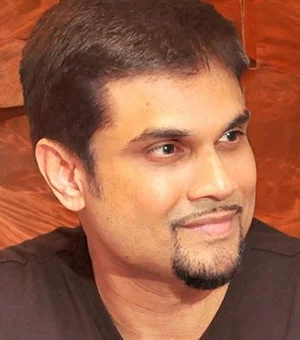
Janaka
Valentine’s Day should not be the only day we speak about love.
From the moment we are born into this world, we seek love, first through the very drop of our mother’s milk, then through the boundless care of our Mother and Father, and the embrace of family.
Love is everywhere. All living beings, even plants, respond in affection when they are loved.
As we grow, we learn to love, and to be loved. One day, that love inspires us to build a new family of our own.
Love has no beginning and no end. It flows through every stage of life, timeless, endless, and eternal.
Natasha Rathnayake (Singer)
We don’t have any special plans for Valentine’s Day. When you’ve been in love with the same person for over 25 years, you realise that love isn’t a performance reserved for one calendar date. My husband and I have never been big on public displays, or grand gestures, on 14th February. Our love is expressed quietly and consistently, in ordinary, uncelebrated moments.
With time, you learn that love isn’t about proving anything to the world or buying into a commercialised idea of romance—flowers that wilt, sweets that spike blood sugar, and gifts that impress briefly but add little real value. In today’s society, marketing often pushes the idea that love is proven by how much money you spend, and that buying things is treated as a sign of commitment.
Real love doesn’t need reminders or price tags. It lives in showing up every day, choosing each other on unromantic days, and nurturing the relationship intentionally and without an audience.
This isn’t a judgment on those who enjoy celebrating Valentine’s Day. It’s simply a personal choice.
Melloney Dassanayake (Miss Universe Sri Lanka 2024)
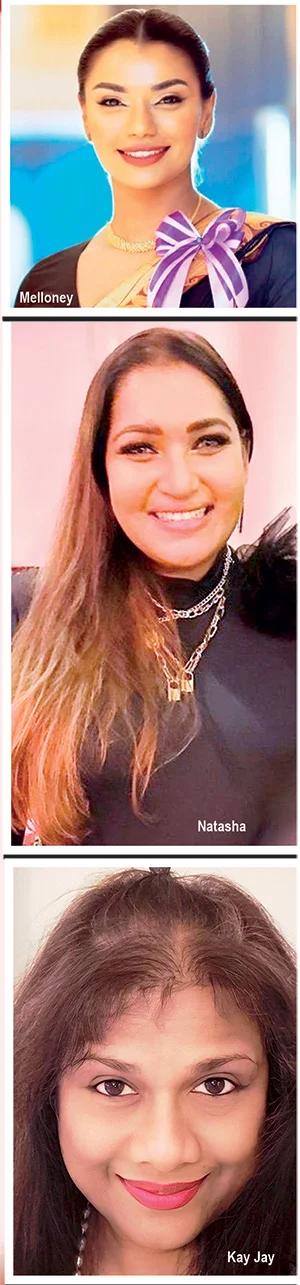 I truly believe it’s beautiful to have a day specially dedicated to love. But, for me, Valentine’s Day goes far beyond romantic love alone. It celebrates every form of love we hold close to our hearts: the love for family, friends, and that one special person who makes life brighter. While 14th February gives us a moment to pause and celebrate, I always remind myself that love should never be limited to just one day. Every single day should feel like Valentine’s Day – constant reminder to the people we love that they are never alone, that they are valued, and that they matter.
I’m incredibly blessed because, for me, every day feels like Valentine’s Day. My special person makes sure of that through the smallest gestures, the quiet moments, and the simple reminders that love lives in the details. He shows me that it’s the little things that count, and that love doesn’t need grand stages to feel extraordinary. This Valentine’s Day, perfection would be something intimate and meaningful: a cozy picnic in our home garden, surrounded by nature, laughter, and warmth, followed by an abstract drawing session where we let our creativity flow freely. To me, that’s what love is – simple, soulful, expressive, and deeply personal. When love is real, every ordinary moment becomes magical.
Noshin De Silva (Actress)
Valentine’s Day is one of my favourite holidays! I love the décor, the hearts everywhere, the pinks and reds, heart-shaped chocolates, and roses all around. But honestly, I believe every day can be Valentine’s Day.
It doesn’t have to be just about romantic love. It’s a chance to celebrate love in all its forms with friends, family, or even by taking a little time for yourself.
Whether you’re spending the day with someone special or enjoying your own company, it’s a reminder to appreciate meaningful connections, show kindness, and lead with love every day.
And yes, I’m fully on theme this year with heart nail art and heart mehendi design!
Wishing everyone a very happy Valentine’s Day, but, remember, love yourself first, and don’t forget to treat yourself.
Sending my love to all of you.

 To create a powerful, natural, and hydrating beauty mask that soothes inflammation, fights acne, and boosts skin radiance, mix a mashed banana with fresh aloe vera gel.
This nutrient-rich blend acts as an antioxidant-packed anti-ageing treatment that also doubles as a nourishing, shiny hair mask.
* Face Masks for Glowing Skin:
Mix 01 ripe banana with 01 tablespoon of fresh aloe vera gel and apply this mixture to the face. Massage for a few minutes, leave for 15-20 minutes, and then rinse off for a glowing complexion.
* Acne and Soothing Mask:
Mix 01 tablespoon of fresh aloe vera gel with 1/2 a mashed banana and 01 teaspoon of honey. Apply this mixture to clean skin to calm inflammation, reduce redness, and hydrate dry, sensitive skin. Leave for 15-20 minutes, and rinse with warm water.
* Hair Treatment for Shine:
Mix 01 fresh ripe banana with 03 tablespoons of fresh aloe vera gel and 01 teaspoon of honey. Apply from scalp to ends, massage for 10-15 minutes and then let it dry for maximum absorption. Rinse thoroughly with cool water for soft, shiny, and frizz-free hair.

Powerful cyclone kills at least 31 as it tears through Madagascar port

US House votes to overturn Trump’s tariffs on Canada

Buoyed by strong support, Paudel’s Nepal search for two points against Italy

Bangladesh election 2026: Polls to open amid heavy security

Sri Lanka, minus Hasaranga, take on Oman at bogey venue

Showers will occur at times in the Central, Uva, Eastern, Northern and North-central provinces and in Hambantota district

‘Dates have the highest sugar content to fight Coronavirus’

Sunday Island 27 December – Headlines

#SundayIsland 17th December – Headlines

Sunday Island – 28th March

Sunday Island Headlines – 21 March

Sunday Island – 21st February – Headlines
-
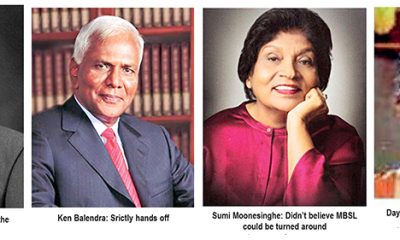
 Features4 days ago
My experience in turning around the Merchant Bank of Sri Lanka (MBSL) – Episode 3
-

 Business5 days ago
Zone24x7 enters 2026 with strong momentum, reinforcing its role as an enterprise AI and automation partner
-

 Business4 days ago
Remotely conducted Business Forum in Paris attracts reputed French companies
-
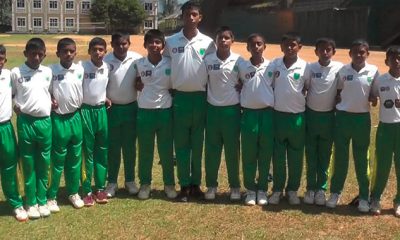
 Business4 days ago
Four runs, a thousand dreams: How a small-town school bowled its way into the record books
-

 Business4 days ago
ComBank and Hayleys Mobility redefine sustainable mobility with flexible leasing solutions
-

 Business1 day ago
Autodoc 360 relocates to reinforce commitment to premium auto care
-
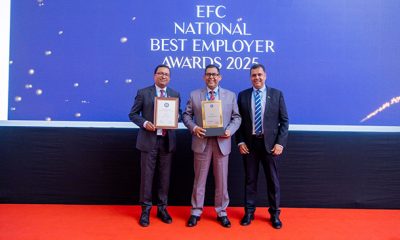
 Business5 days ago
HNB recognized among Top 10 Best Employers of 2025 at the EFC National Best Employer Awards
-

 Business5 days ago
GREAT 2025–2030: Sri Lanka’s Green ambition meets a grid reality check