
News
Schools reopen for Grades 6 to 13 except WP, next Monday

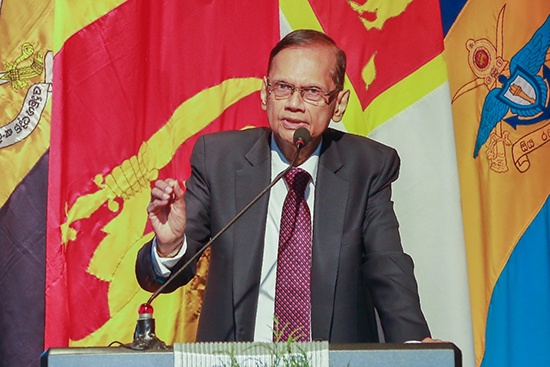
The schools would reopen for Grades 6-13 in all provinces, except in the Western Province, next Monday (23), Education Minister Prof. G.L. Peiris said yesterday.
Although the schools were to be reopened on November 9, the government decided to extend the period of closure to November 23rd in view of the spread of the second wave of COVID-19 in different areas of the country, the minister said
The Education Minister said the schools in areas isolated because of spikes in coronavirus would not reopen on the 23rd.
He said classes from Grade 1-5 also would not reopen due to the prevailing situation.
According to the Education Ministry, classes from Grade 1-11 were conducted in 6,257 schools and among them where there were 15 or fewer students per class was 28.6 percent while where the classes with 15-30 students were 43.6 percent. There were 2,898 schools where classes from Grades 12-13 were conducted. In those schools, classes where 15 or less students were 56??? percent.
The schools where there were 16-30 students were 36.7 percent.
Prof. Pieris said the Principals of the respective schools had the responsibility to ensure a proper environment to conduct the schools from Grade 6-13 with each and every one maintaining the one metre distance, whilst also following the other health guidelines.
The Principals were also advised to form an advisory committee consisting of a PHI, a Grama Niladhari, representative of the School Development Society, and a member nominated by the Past Pupils’ Association of the school.
The recommendations made by the committee should be directed to the Zonal Education Director.

Community Health Specialist Dr. Thushani Dabarera yesterday said about 50 meningitis patients were receiving treatment in hospitals and the total number of meningitis cases were nearly 200.
Dr. Dabarera said so at a Health Ministry media briefing.
“We have issued special guidelines to all health sectors and institutions to prevent the disease from spreading further within schools and communities.”
Dr. Dabarera said that though they noted a slight drop in the number of cases, the rainy season may aggravate the situation.
She urged the public to strictly follow health advice and adopt preventive measures.
According to the Epidemiology Unit, the main symptoms of the disease include high fever, headache and vomiting, with symptoms usually appearing between three to seven days after exposure to the virus.
Authorities said the disease mainly spreads through contaminated food and water, while it can also be transmitted through droplets released when an infected person coughs or sneezes, as well as through close contact.
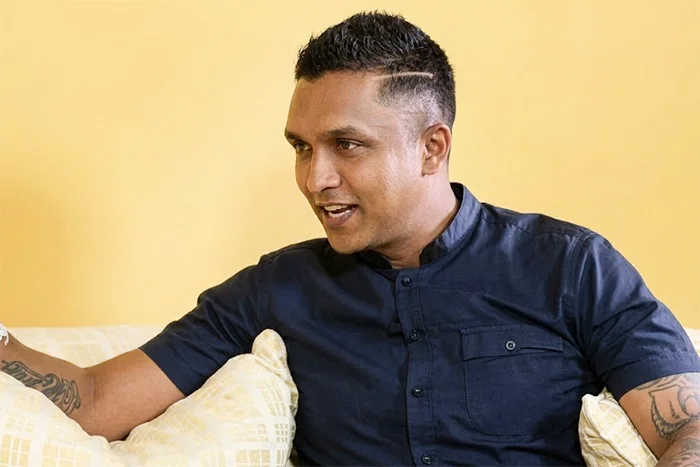
Convenor of the Democratic Front, Rehan Jayawickrema, has said that in response to a Right to Information (RTI) query submitted to the Presidential Secretariat, in respect of the utilisation of local and foreign donations received by the Rebuilding Sri Lanka Fund, in support of post-Ditwah cyclone recovery efforts, several critically important questions, regarding the donors, disbursement of funds and monitoring process/mechanism weren’t answered.
Appearing on news line with Faraz Shauketaly, Jayawickrema said that though the Presidential Secretariat disclosed altogether USD 11.4 mn and Rs 6 bn had been received, it couldn’t answer other questions pertaining to identity of donors, specific amounts, utilisation of funds, monitoring, procurement and related matters.
How could the Presidential Secretariat, tasked with the project, claim it was not aware. Jayawickrema compared the Presidential Secretariat response to the situation caused by accusations pertaining to the Helping Hambantota programme, during Chandrika Bandaranaike Kumaratunga presidency. (SF)

The United States Congress’ Tom Lantos Human Rights Commission (TLHRC) has renewed calls for accountability and redress for wartime abuses in Sri Lanka, marking Tamil Genocide Remembrance Day by highlighting the continuing absence of justice for Tamil victims and survivors seventeen years after the end of the armed conflict, Tamil Guardian reported.
In a statement published on X last week, the bipartisan congressional commission said that impunity for grave abuses committed during the war remains entrenched despite years of international scrutiny and repeated calls for accountability.
“17 years after the end of the armed conflict in Sri Lanka, impunity for grave human rights violations and abuses persists,” the commission stated.
“Today, as Tamil survivors and their loved ones memorialize those who were lost, the TLHRC urges redress for harms and accountability for perpetrators.”
The intervention came as Tamils across the North-East homeland and the global diaspora marked Tamil Genocide Remembrance Day on 18 May, commemorating the tens of thousands of Tamil civilians killed during the final stages of the armed conflict in Mullivaikkal in 2009. Tamil organisations and survivors continue to maintain that the massacres constituted a genocide against the Tamil nation.
This year’s commemorations saw renewed international calls for justice and accountability, with lawmakers, rights organisations and advocacy groups across several countries issuing statements recognising the continuing suffering of Tamil survivors and criticising the lack of meaningful accountability for wartime atrocities.
The TLHRC, which operates under the United States Congress to promote internationally recognised human rights, has previously examined Sri Lanka’s human rights record through hearings and briefings focused on wartime abuses, enforced disappearances, militarisation and accountability failures.
In recent years, the commission has heard testimony from human rights advocates, legal experts and civil society representatives regarding crimes committed during the final stages of the armed conflict, as well as ongoing concerns surrounding repression, surveillance and the failure of domestic accountability mechanisms.
International rights groups and Tamil victims’ organisations have repeatedly argued that successive Sri Lankan governments have failed to deliver truth, justice or meaningful reparations for those affected by wartime atrocities.

The eternal pilgrimage of Hajj: A journey through faith, sacrifice and humanity

Sri Lanka Cricket launched a program to enhance coaching standards of school cricket

200 meningitis cases: 50 receiving treatment

‘Green Chilies’ returns after seven years to reignite Sri Lanka’s advertising industry spirit

The challenge of keeping value-based politics alive

Futility of rhetoric and need for unity

‘Dates have the highest sugar content to fight Coronavirus’

Sunday Island 27 December – Headlines

#SundayIsland 17th December – Headlines

Sunday Island – 28th March

Sunday Island Headlines – 21 March

Sunday Island – 21st February – Headlines
-

 Business6 days ago
Historic launch of CCWE Fashion Week & International Summit 2026
-
 News7 days ago
Steps underway to safeguard Sri Lanka’s maritime heritage
-

 News4 days ago
All-New GRAVITE launches at LKR 6.99 Mn
-
 News3 days ago
Police probe underway to ascertain links between criminals deported from UAE and local politicians
-

 Features4 days ago
The NPP’s pivot to the past
-
 News2 days ago
Easter Sunday carnage: Court told Maulana’s statement cannot be accepted without cross-examination
-

 Opinion6 days ago
The need to reform Buddhist ecclesiastical order
-
 Features4 days ago
End of Peacekeeping