
Latest News
Nigeria come from behind to beat Australia 3-2


Nigeria came from behind to beat Australia and leave the co-hosts facing a battle to qualify for the last 16 of the Fifa Women’s World Cup.
Australia scored first when Emily van Egmond converted Caitlin Foord’s pass. But Nigeria equalised soon afterwards with Uchenna Kanu’s calm finish, before Osinachi Ohale’s header made it 2-1. Asisat Oshoala scored after a mix-up between Australia’s Alanna Kennedy and Mackenzie Arnold and Nigeria held on, despite Kennedy scoring late on.
Nigeria move top of Group B, level with Canada on four points, while Australia are a point behind both before the last matches in the section on Monday.
Australia face Canada in Melbourne and would need a victory to guarantee a place in the knockout stages, while Nigeria will play already-eliminated Republic of Ireland at the same time in Brisbane.
(BBC)











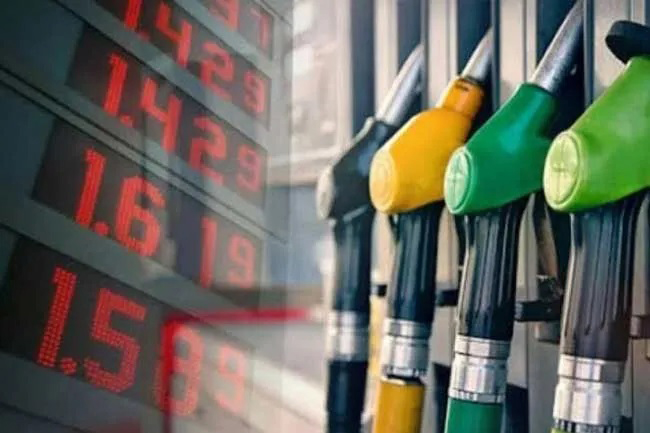
The Ceylon Petroleum Corporation (CEYPETCO) has announced a reduction in the prices of Petrol 92 and Petrol 95, effective from midnight today (30).
The price of Petrol 92 has been reduced by Rs. 15 per litre, from Rs. 414 to Rs. 399 while the price of Petrol 95 Octane has been reduced by Rs. 20 per litre, from Rs. 495 to Rs. 475
There will be no change in the prices of diesel, Super Diesel and kerosene under the latest revision.
Latest News
UPDATE: Seven killed and 23 missing after boat capsizes off northern Cyprus, says Turkish Cypriot PM
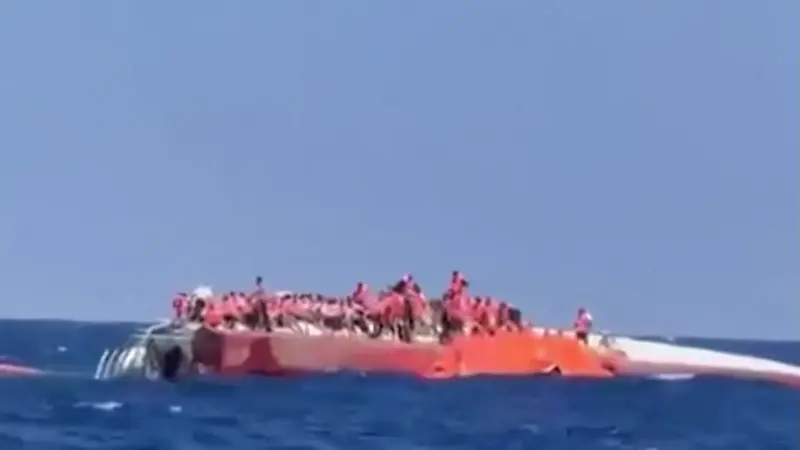
Seven people have died after a passenger boat capsized near northern Cyprus, the Turkish Cypriot PM says. Search and rescue operations are under way to find 23 people missing, says Ünal Üstel, the prime minister of the self-declared territory
He says 267 people were on board the vessel when it capsized, and 237 have been rescued
[BBC]

Iceland has voted against resuming talks on joining the European Union 13 years after they were broken off.
Public broadcaster RUV reported that 52.8% of 225,031 voters rejected the government’s proposal, while 47.2% had said yes. Some 12,600 votes separated them.
Prime Minister Kristrún Frostadóttir’s centre-left government promised to hold a referendum by 2027, but brought it forward because of international tensions, including US President Donald Trump’s threats against Greenland.
However, debate in this island nation of almost 400,000 people centred more on its fishing industry rather than security concerns.
With some 270,000 people eligible to vote, RUV reported the turnout of 82.5% was the highest in any election in Iceland since 2009.
Already part of the EU’s single market and Schengen border-free zone, EU membership would bring Iceland into the customs union and eventually the euro.
Iceland began its application to join the EU in 2009 in the wake of the 2008 financial crisis and the collapse of Iceland’s banking system.
Its application was already well advanced when a eurosceptic government came to power in 2013 and put talks on hold. Fishing rights was the biggest obstacle then – as it remains today.
Fish and marine industries account for almost 40% of Iceland’s exports and many No voters feared they would cede some control of their lucrative fishing grounds under the EU’s common fisheries policy.
The referendum campaign fuelled debate about Iceland’s place in the world, Kristrún said after casting her ballot in the capital on Saturday.
“This is a great day, we’ve been waiting for this for years to be able to have a vote,” Kristrún said, adding that her government would continue its work regardless of the outcome.
The question on the ballot was: “Should Iceland resume accession negotiations with the European Union?”
A Yes vote would not have been a final decision on joining the EU, but a move towards an accession agreement, which would then have to be approved by a second referendum.
Equally, the No vote does not rule out the chance of Iceland resuming talks in the future.
While economic issues dominated the referendum campaigns, security concerns also featured.
Iceland is a founder member of Nato but it has no military and relies on its allies for defence.
The country has backed Ukraine during Russia’s full-scale invasion and officials have been alarmed by Russia’s increased maritime manoeuvres near the island.
Trump’s expressed interest in taking over Greenland has also raised concerns.
[BBC]

Petrol to cost less from midnight today (30)

Head teacher evacuated 900 children minutes before school washed away by Nepal floods

UPDATE: Seven killed and 23 missing after boat capsizes off northern Cyprus, says Turkish Cypriot PM

Iceland votes against restarting talks on joining EU

“Rathuwewi Mihimadala” Book Launched with the Participation of the Prime Minister

Turkiye, Somalia forces free cargo vessel hijacked by pirates

‘Dates have the highest sugar content to fight Coronavirus’

Sunday Island 27 December – Headlines

#SundayIsland 17th December – Headlines

Sunday Island – 28th March

Sunday Island Headlines – 21 March

Sunday Island – 21st February – Headlines
-

 News6 days ago
Missing doctor’s body found in Mahiyanganaya
-

 News6 days ago
Australia declines to release Finance Secy Suriyapperuma’s citizenship details
-
 News6 days ago
22A: BASL suggests CJ recuse himself from hearing petitions
-

 News3 days ago
Eight politicians in drug kingpin probe
-

 Editorial7 days ago
Govts. drag feet as undergrads age
-

 Business3 days ago
Sri Lanka opens up: A new season of direct connectivity
-
 Features5 days ago
Insights from Chieftains of Uva: Genealogy of two Kandyan Families – Part II
-

 Features3 days ago
Redefining ageing in Sri Lanka