
Sports
Ananda triumph as Kithma, Nethula shine


Under 17 Division I Cricket
by Reemus Fernando
Ananda concluded the first round matches with a victory over St. Peter’s as off-spinner Kithma Withanapathirana and open batsman Nethula Edirimanne excelled for the home team in the Under 17 Division I tournament group ‘C’ match played at Ananda Mawatha on Tuesday.
Withanapathirana picked up five wickets to restrict St. Peter’s to 175 for nine wickets after Edirimanne carried his bat through with an unbeaten century for Ananda to post 186 runs. Edirimanne scored 13 fours and a six in his century.
While Richmond, Devapathiraja, Dharmasoka, St. John’s College, Jaffana and Thurstan also registered victories in their matches played on Tuesday.
Thanuga Palihawadana and Talisha Nanayakkara (4/04) shared six wickets between them for Thurstan to restrict S. Thomas’ to 53 for nine wickets in 28 overs. They registered record 72 runs victory.
Results
Ananda beat St. Peter’s at Ananda Mawatha
Scores:
Ananda 186 all out in 40.5 overs
(Nethula Edirimanne 100n.o.; Ovin Perera 23; Ethan Ransilige 2/38, Enosh Peterson 3/21)
St. Peter’s 175 for 9 in 42 overs
(Hiruka Silva 23, Savi Fernando 42, Asadisa de Silva 42, Enosh Peterson 30; Kithma Withanapathirana 5/34)
Thurstan restrict S. Thomas’ to 53 runs to record victory at Thurstan Ground
Scores:
Thurstan 125 for 9 in 28 overs
(Udarsha Nimsara 34n.o.; Nethun Withanage 2/20, Abheeth Paranawidana 2/13)
S. Thomas’ 53 for 9 in 28 overs
(Shanil Perera 15; Thanuga Palihawadana 2/07, Talisha Nanayakkara 4/04)
Richmond register 130 runs victory over Debarawewa
Scores:
Richmond 236 for 9 in 50 overs
(Thinuga Senuwara 27, Minaga Ariyadasa 47, Bevin Jayawardana 54; Wihanga Sathru 2/33, Kaveesha Nethruvan 3/28, Rasindu Nikeshana 2/54, Wethum Sasmitha 2/34)
Debarawewa 106 all out in 37.1 overs (Oshada Iresh 42, Nisal Nimsara 21; Pabasara Manawadu 2/26, Minaga Ariyadasa 2/15, Nethsara Akash 3/21, Tenusha Nimsara 2/16)
Dharmasoka beat P de S Kularatne by 10 runs at Karandeniya
Scores:
Dharmasoka 110 all out in 41.4 overs
(Dinuka Prabasara 18, Kaveesha Matheesha 17, Thevindu de Silva 16, Chanuka Karunaratne 15; Janidu Chamika 2/28, Gimhan Himasara 3/26, Udara Sandaruwan 3/22, Hashen Nimsara 2/03)
P de S Kularatne 100 all out in 48.2 overs
(Janidu Chamika 26, Kaveesha Madushan 15, Gimhan Himsara 17; Jithira Sansika 2/24, Nethuja Basitha 2/12, Chandupa Kavisha 3/18)






Sri Lanka won the toss and elected to bowl first in the Asian games semifinal clash against India.
Sri Lanka XI: Lasith Croospulle, Sineth Jayawardene, Sohan de Livera (wk), Ashen Bandara, Sahan Arachchige (c), Nuwanidu Fernando, Chamika Karunaratne, Wanuja Sahan, Tharindu Rathnayake, Binura Fernando, Vijayakanth Viyaskanth

by Rex Clementine
President’s Counsel Dinal Phillips has defended a key provision in the proposed new constitution for Sri Lanka Cricket that allows one of the appointed members, rather than an elected representative, to serve as Chairman of the Board. There have been concerns that a former cricketer will not be able to be appointed as Chairman of SLC if the new constitution comes to effect, but Philips said that the country needed to move on with times.
Successive governments have promised sweeping reforms at the cricket board but delivered precious little. The NPP government, however, has taken concrete steps towards overhauling the administration, with a new constitution now in the public domain.
The proposed constitution has been gazetted and will be debated in Parliament, while the Supreme Court will determine whether its provisions are consistent with the laws of the country. Stakeholders will also have an opportunity to challenge provisions they consider contentious.
Once the legal and parliamentary process is completed, the new constitution will come into force, making SLC answerable to Parliament and by extension, to the public.
“The Chairman of the Board will be from among the appointed individuals because there needs to be a great deal of independence on the Board. You are talking about a Rs. 16 billion organisation,” Phillips told reporters at SLC headquarters yesterday.
Phillips has been a prominent figure in cricketing circles in recent years. He represented his Royal College schoolmate Kusal Janith Perera during the legal battle that eventually cleared the batsman following a doping suspension. He is also a former President of Tamil Union, one of SLC’s controlling clubs.
“You have to have people with sound accounting backgrounds, legal expertise, marketing and IT knowledge involved in running your cricket board. All those areas are covered in this structure,” Phillips said.
“The powers will also be vested in the CEO of SLC and he will run the business of the organisation. The Board of Directors will execute policy.”
Phillips, together with fellow legal expert Upul Kumaraperuma, played a key role in drafting the proposed constitution.
“Look at other parts of the world. We don’t want to be left behind; we want to move with the rest of the world. These are serious, long-term steps. We are trustees for 20 million people. We have been asked questions about what is happening to our cricket. We want to raise the bar,” Phillips added.
SLC chief Eran Wickramaratne was also present at the briefing and faced questions over the national team’s disappointing tour of England, where Sri Lanka were whitewashed 3-0 in the T20I series before enduring an inconsistent ODI campaign.
“We want to see the team winning, no doubt about that. But we don’t have concerns about individuals, say, for example, Gary Kirsten. It requires time to build,” Wickramaratne said.
“In 2011, we were ranked number four in Tests, number three in ODIs and number three in T20s. If you look at where we are now, we are towards the lower end; seven, eight or nine.
“That decline has happened over a period of ten to 15 years. You have to be realistic. Any coach who comes in cannot change things overnight. But we are on the right road.”

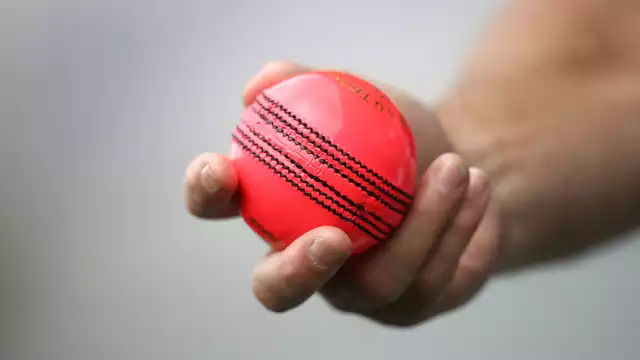
ICC introduces pink-ball daytime Test trial, new time-wasting penalties

Discussion on Anuradhapura Sacred City Development Plan

India enter Asian Games final after Kishan and Bumrah ride roughshod over Sri Lanka

I extend my heartfelt wishes to all the sons and daughters of our country for a Happy World Children’s Day – President

Sri Lanka bowl first in semi final clash against India

Trump hints US could strike Iran, warns time coming

‘Dates have the highest sugar content to fight Coronavirus’

Sunday Island 27 December – Headlines

#SundayIsland 17th December – Headlines

Sunday Island – 28th March

Sunday Island Headlines – 21 March

Sunday Island – 21st February – Headlines
-

 Editorial5 days ago
Birth of a bad law
-

 Features6 days ago
Beyond traditional jobs: Why Sri Lanka needs to facilitate the gig economy
-

 News3 days ago
Police remove Thileepan statue in Jaffna
-
 Latest News7 days ago
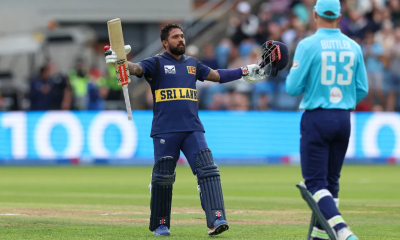
Kusal, Wellalage star as Sri Lanka defend 322 in Headingley thriller
-

 News5 days ago
TIN mandatory for key transactions from Nov. 1
-

 Features3 days ago
The 22nd Amendment, constitutional recovery and illiberal slippage
-

 Features3 days ago
Of foreigners as CEOs of Lankan ventures
-

 News3 days ago
Sajith rejects Jt. Opp. protest sabotage claim; SJB TU chief demands remedial action