
News
Lanka faces deepening nutrition crisis amid rising food costs and dietary gaps

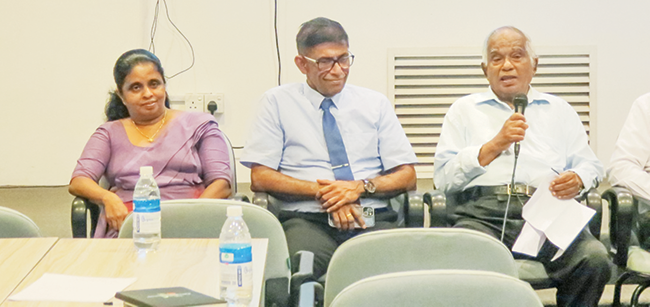
Amid the lingering aftershocks of the post-COVID economic downturn, successive crises including the recent Ditwah Cyclone crisis impacts, and broader global disruptions linked to geopolitical tensions in the Middle East, nearly half of Sri Lanka’s population is now unable to afford a nutritious diet, leading nutrition experts have warned.
Speaking at the Science Forum on Food Security held at the National Science Foundation auditorium in Colombo, Prof Renuka Silva of the Department of Nutrition and Dietetics at Wayamba University of Sri Lanka outlined what he described as the country’s emerging “nutrition paradox”, a condition in which people may be consuming enough calories to survive, yet are increasingly unable to eat well enough to thrive.
Professor Silva, in his presentation themed ‘Food Habits in Crisis: Reshaping Diets in Sri Lanka’, highlighted a central dilemma facing the nation. “Are Sri Lankans eating enough? Yes. Are Sri Lankans eating well? Not always,” he said, summarising a widening nutritional divide driven by economic hardship and structural weaknesses in the food system.
He noted that Sri Lanka is currently facing one of its most severe multi-layered crises in recent history, where economic contraction, post-pandemic recovery challenges, climate shocks, and global market disruptions have collectively eroded household resilience. The result, he said, has been rising stress, anxiety, reduced savings, and declining overall wellbeing, factors now directly reflected in deteriorating food consumption patterns.
A key concern raised at the forum was the widening affordability gap between a basic energy-sufficient diet and a nutrient-rich one.
According to data presented, a diet that only meets minimum energy requirements costs approximately Rs 468 per household per day (around LKR 14,095 per month). In contrast, a truly nutritious diet, comprising diverse, nutrient-dense food groups, costs around Rs 1,707 per household per day (about Rs 51,210 per month), making it more than three times more expensive.
This disparity has pushed 47% of Sri Lankans out of reach of a nutritious diet, with the situation particularly severe in rural districts such as Monaragala, where non-affordability rises to 73%.
As of December 2024, experts warned that 16% of households remain food insecure, while 26% consume inadequate diets, signalling a deepening public health concern.
Professor Silva described a troubling shift in national eating patterns characterised by what he called “The Rice Dependency” which an excessive reliance on carbohydrates, particularly rice, at the expense of dietary diversity.
Sri Lankans, he noted, are consuming only about one-third of the World Health Organization’s recommended 400 grams of fruits and vegetables per day. This shortfall, he said, is significantly increasing the risk of micronutrient deficiencies, including vitamins and minerals, as well as non-communicable diseases such as heart disease, cancer and diabetes.
The consequences are already evident. Widespread deficiencies in iron, zinc, and Vitamin D have been reported across all age groups. Anaemia rates among pregnant women remain alarmingly high at 25–30%, while children under five continue to be severely affected.
The presentation also highlighted rising non-communicable diseases (NCDs), including heart disease, diabetes, and stroke, driven by high intake of saturated fats, hidden sugars in processed foods, sweetened beverages, dairy desserts, and baked goods, alongside unhealthy cooking practices and excessive salt consumption.
Experts attributed the crisis not only to income constraints but also to what they described as an increasingly “unhealthy food environment.”
Key drivers include rising food prices, limited access to diverse nutritious foods, aggressive advertising of unhealthy products, reduced time for home cooking, easy availability of processed snacks, and low public awareness of healthy dietary choices.
Food safety concerns, including agrochemical residues and aflatoxin contamination, were also flagged as emerging risks to public health.
To address the crisis, Professor Silva called for a national shift toward Food-Based Dietary Guidelines (FBDGs), emphasising affordable, locally available nutritious foods.
Recommended dietary shifts include increased consumption of pulses, dhal, and eggs as low-cost protein sources; greater reliance on small fish and dried fish over expensive meats; and increased intake of leafy greens and seasonal vegetables. He also urged a reduction in processed foods, salt, and added sugars.
Crucially, he stressed the role of the media in reshaping public behaviour, calling for simplified nutritional messaging and stronger community-based awareness programmes.
The forum concluded with calls for an integrated national response combining policy intervention, public education, and food system reform to address what experts describe as a worsening nutrition crisis hidden beneath calorie sufficiency. Without urgent action, they warned, Sri Lanka risks entrenching a generation that is “fed but not nourished”—a condition with long-term consequences for health, productivity, and national development.
The forum brought together leading academics including Prof Buddhi Marambe, Emeritus Prof K.K.D.S. Ranaweera, and Dr. Hiranya Jayawickrema, alongside media professionals. NSF Chairman Dr Sudath Samaraweera and Director General Prof Shiromi Perera were also present.

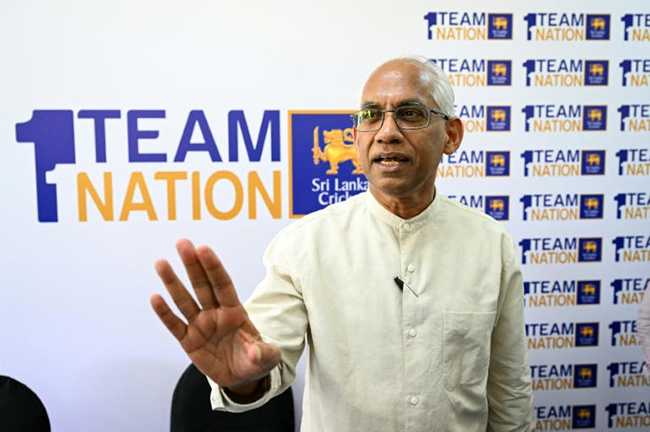
(AFP)Financial irregularities surrounding Sri Lankan cricket were far worse than feared, government-appointed administrators said Thursday, promising a full accounting and sweeping reforms.
“We have already ordered a forensic audit of the accounts,” Eran Wickramaratne, interim president of Sri Lanka Cricket (SLC), told his first news conference since taking office last month.
He said financial irregularities were “far greater than initially feared”.
He said the new SLC leadership — handpicked by the government of President Anura Kumara Dissanayake — would bring in sweeping reforms as concerns linger over international sanctions.
The current administration was appointed following the mass resignation of SLC’s elected officials last month — a move that raised fears of possible suspension by the International Cricket Council (ICC) over political interference.
The SLC, the country’s richest sports body, was suspended for two months in 2023 on similar grounds.
Wickramaratne, however, said discussions with the ICC were underway on reforming the SLC.
“Our talks with the ICC have been extremely cordial and constructive,” he said.
“We have been very open and transparent in what we are doing, and they want us to pursue open and transparent methods in doing this.”
Reforms include drafting a new constitution aimed at curbing abuses that allowed groups to retain power for a prolonged period, he added.
Four-time SLC president Shammi Silva and his entire committee stepped down in April after the government intervention, clearing the way for the current overhaul.The previous administration had also faced criticism over the national team’s performances, including an early exit from the T20 World Cup, which Sri Lanka co-hosted with India earlier this year.
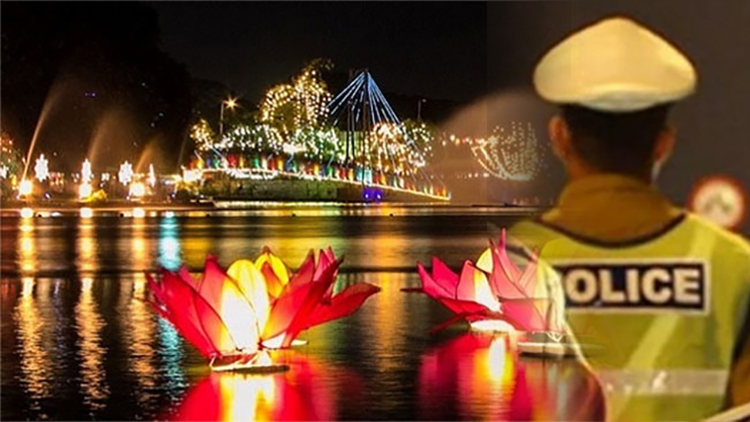
The Police have announced a special islandwide security programme for Vesak Week to ensure the public can observe religious activities in a peaceful and secure environment, free from fear or inconvenience.
The Police Department said the measures have been introduced in view of heightened religious observances across the country during the Vesak season, with Buddhists worldwide preparing to mark Vesak Full Moon Poya Day on 30 May 2026.
Authorities said large crowds are expected at major Buddhist sites, including ancient places of worship, while Vesak lantern displays, pandals and Bhakthi Gee programmes will be held across the island.
Under the special security plan, the Inspector General of Police has directed all police stations to take steps to minimise traffic congestion and ensure public convenience in areas with high footfall.
The Police Department said enhanced day and night mobile patrols will be deployed across all divisions, alongside special security operations aimed at safeguarding public safety and protecting property during the festive period.
Authorities also warned that strict legal action will be taken against individuals or groups whose behaviour is deemed to undermine the dignity and sanctity of Vesak or cause inconvenience to devotees.
In a set of public guidelines issued for the season, the Police Department urged organisers of Dansal programmes to comply with health and safety standards and implement proper crowd management measures to prevent congestion.
The public has also been advised to refrain from behaviour deemed inappropriate for the religious season, avoid excessive noise, and ensure responsible use of loudspeakers with prior approval.
Devotees have been requested to abstain from alcohol and narcotic substances during Vesak activities, while being urged to remain vigilant against theft in crowded areas and ensure the safety of children and elderly persons.
The Police Department further encouraged the public to report emergencies via hotlines 118 and 119, and to submit relevant video footage of traffic violations or environmental offences through designated WhatsApp channels for legal action.
Authorities said the measures are aimed at ensuring that Vesak is observed in a spirit of peace, devotion and public harmony across the country.
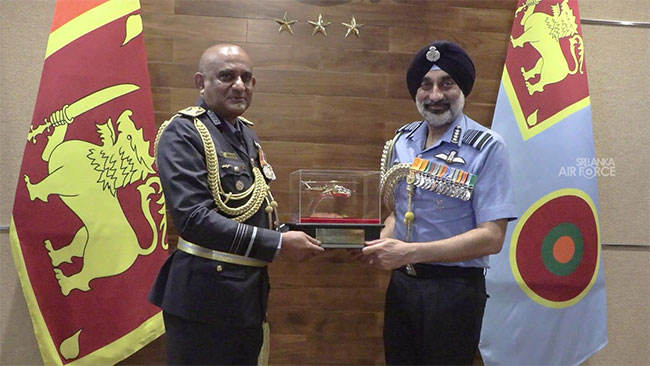
(ANI) May 22:Marking a critical milestone in regional security cooperation, India’s Chief of the Air Staff, Air Chief Marshal AP Singh, addressed the National Defence College (NDC) in Sri Lanka during his three-day visit to the island nation.
Speaking on the strategic imperative of “Air Power in the 21st Century,” the Air Chief Marshal highlighted the evolving dynamics of modern warfare and the growing necessity of robust bilateral military partnerships in the Indian Ocean Region.
The high-level interaction served as a central fixture of his three-day official visit to the island nation, aimed at anchoring the defence ties between the two neighbours.
Sharing the details in a post on X, the Indian High Commission in Sri Lanka said that the Air Chief also interacted with the Commandant and the National Defence College course participants.
The Chief of the Air Staff Air Chief Marshal A P Singh visited the National Defence College, Sri Lanka on 20 May 26. He spoke on the topic ‘Air power in the 21st century’ and interacted with the Commandant and NDC course participants
Earlier on Wednesday, the High Commission shared that the Air Chief was received with a Guard of Honour at SLAF headquarters prior to formal meetings on Tuesday, prior to his call on with the Commander of SLAF.
“He also called on the Deputy Minister of Defence Maj Gen Aruna Jayasekara (Retd), and the Secretary Defence, AVM Sampath Thuyacontha (Retd). ACM A P Singh paid his respects to the IPKF martyrs by laying a wreath at the monument in Bataramulla”, the post added.
Air Chief AP Singh had arrived in Sri Lanka on an official visit from 19-21 May 26.
India and Sri Lanka have a longstanding defence partnership.
Earlier in April, the two countries reaffirmed their growing maritime partnership through the fourth edition of the bilateral diving exercise, IN-SLN DIVEX 2026, conducted at Colombo from April 21-28.
The exercise witnessed participation of the Indian Navy’s Diving Support and Submarine Rescue Vessel, INS Nireekshak, alongside diving teams from both navies- underscoring enhanced operational coordination and professional synergy, the Indian Navy said in a statement.
As India continues to deepen its military engagements with friendly nations, the multilateral military Exercise PRAGATI 2026 commenced on Wednesday at Umroi Military Station, Meghalaya, with the participation of 12 friendly nations, namely Bhutan, Cambodia, Indonesia, Laos, Malaysia, Maldives, Myanmar, Nepal, Philippines, Seychelles, Sri Lanka and Vietnam.

Showers expected in the Western, Sabaragamuwa and North-western provinces and in Galle, Matara, Kandy and Nuwara-Eliya districts

Devine intervention brings New Zealand back from the dead

US police responding to dozens of shots fired near the White House

Sri Lanka cricket finances ‘greater than feared’: interim chief

Police roll out countrywide security plan for Vesak Week

India, Lanka boost air power ties as IAF Chief visits Colombo

‘Dates have the highest sugar content to fight Coronavirus’

Sunday Island 27 December – Headlines

#SundayIsland 17th December – Headlines

Sunday Island – 28th March

Sunday Island Headlines – 21 March

Sunday Island – 21st February – Headlines
-

 Features4 days ago
Octopus, Leech, and Snake: How Sri Lanka’s banks feast while the nation starves
-
 News3 days ago
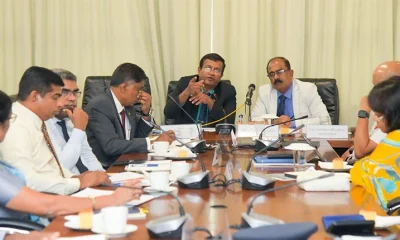
Steps underway to safeguard Sri Lanka’s maritime heritage
-
 Opinion3 days ago
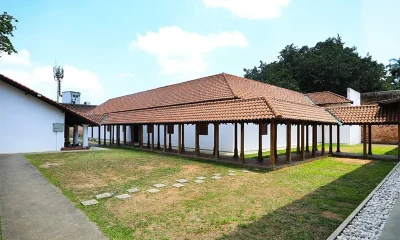
Murder of Ehelepola family, Bogambara Wewa and Sightings of Wangediya
-

 Editorial3 days ago
A play without its protagonist
-
 Sports4 days ago
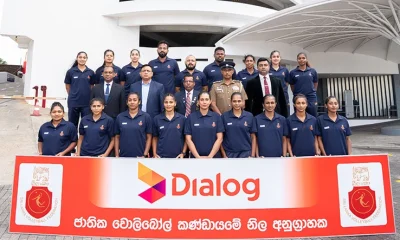
Sri Lanka women’s volleyball team ready for Central Asian challenge
-
 Midweek Review4 days ago
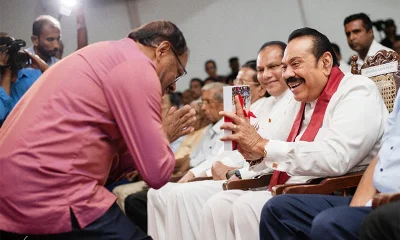
Overall SLPP failures stressed in new Aragalaya narrative
-

 Opinion2 days ago
The need to reform Buddhist ecclesiastical order
-
 Latest News5 days ago
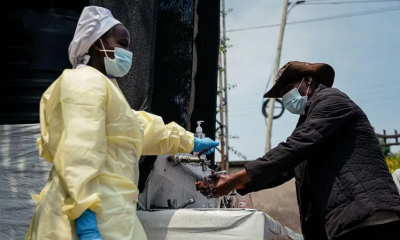
At least 100 dead in Ebola outbreak in DR Congo, official says