
News
PUCSL and Treasury under IMF spotlight as CEB seeks 11.5% power tariff hike


The Public Utilities Commission of Sri Lanka (PUCSL) and the Treasury are facing heightened scrutiny as the Ceylon Electricity Board (CEB) presses for an 11.5 percent electricity tariff increase, a move closely tied to IMF-driven state-owned enterprise (SOE) reforms aimed at curbing losses and easing fiscal pressure on the State.
The proposed hike comes as the Treasury intensifies efforts to reduce the budgetary burden of loss-making SOEs under Sri Lanka’s IMF programme, which places strong emphasis on cost-reflective pricing, improved governance and the elimination of quasi-fiscal deficits.
Power sector sources said the PUCSL has completed its technical evaluation of the CEB proposal and is expected to announce its determination shortly.
The decision is being closely watched not only as a test of regulatory independence, but also as an indicator of how Treasury-backed fiscal discipline is being enforced through independent regulators.Under the IMF agreement, Sri Lanka has committed to restructuring key SOEs, such as, the CEB to prevent recurring losses from spilling over into public finances.
Treasury officials have repeatedly warned that continued operational losses at the utility could ultimately require state intervention, undermining fiscal consolidation targets agreed with the IMF.
The CEB has justified the proposed 11.5 percent hike by citing high generation costs, foreign currency loan repayments and accumulated legacy losses, arguing that further tariff adjustments are necessary to stabilise finances and avoid a return to Treasury support.
However, critics argue that IMF-aligned reforms should not translate into routine tariff hikes without meaningful improvements in efficiency, cost controls and governance within the utility.
Trade unions and consumer groups have urged the PUCSL to resist pressure from both the CEB and fiscal authorities to simply pass costs on to consumers.
They also note that improved hydropower availability should reduce dependence on expensive thermal generation, easing cost pressures and giving the regulator room to moderate any tariff increase.
Energy analysts say the PUCSL’s ruling will reflect how effectively the Treasury’s fiscal objectives are being balanced against the regulator’s statutory duty to protect consumers, warning that over-reliance on tariff increases could erode public support for IMF-backed reforms.
Business chambers have cautioned that another electricity price hike could weaken industrial competitiveness and slow economic recovery, particularly in export-oriented and energy-intensive sectors already grappling with elevated costs.
Electricity tariffs remain one of the most politically sensitive aspects of IMF-linked restructuring, with previous hikes triggering widespread public discontent and raising concerns over social impact.
The PUCSL is expected to outline the basis of its decision, including whether the proposed 11.5 percent increase will be approved in full, scaled down, or restructured through slab-based mechanisms to cushion low-income households.
An energy expert stressed that Sri Lanka navigates IMF-mandated fiscal and SOE reforms, the forthcoming ruling is widely seen as a defining moment—testing not only the independence of the regulator, but also the Treasury’s ability to pursue reform without deepening the burden on consumers.
By Ifham Nizam ✍️

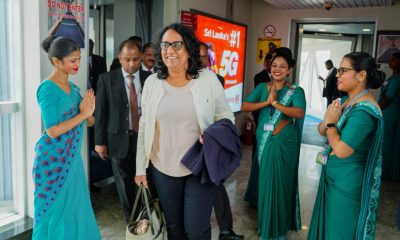





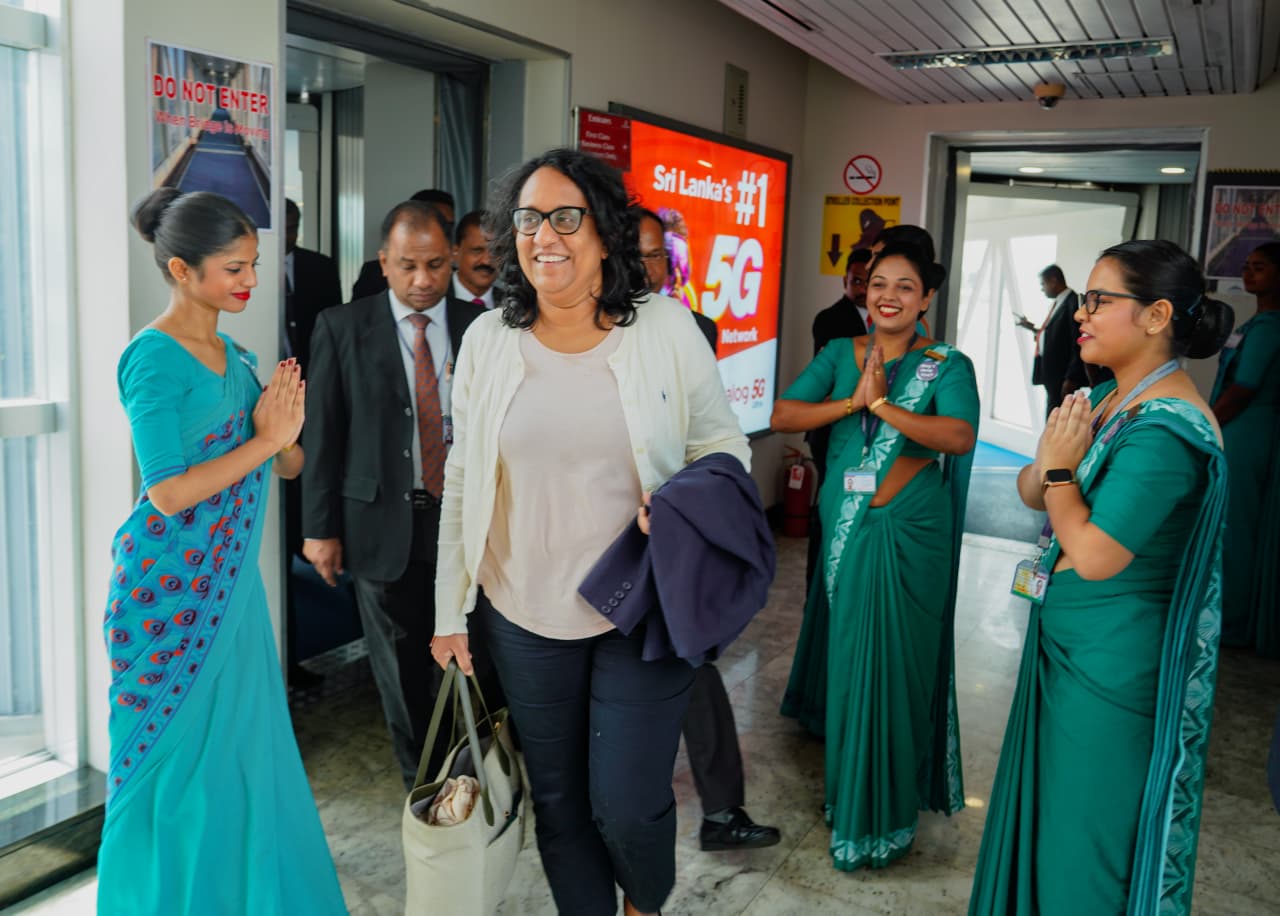
Prime Minister Dr Harini Amarasuriya concluded a successful official visit to the United Kingdom from 18 to 22 May 2026. The visit was undertaken to participate in the 43rd Commonwealth of Learning (COL) Board of Governors Meeting 2026 and to advance bilateral, academic, and community engagement.
The Prime Minister commenced her programme with academic engagements at the Institute of Development Studies (IDS), University of Sussex, where she addressed the 60th anniversary celebration. Addressing the gathering, the Prime Minister reflected on the relationship between politics, governance, and development, drawing from Sri Lanka’s recent political and economic experiences. She emphasized the challenges of balancing governance, economic recovery, social protection, and institutional reform while responding to public expectations and maintaining democratic accountability.
The Prime Minister subsequently delivered the 2026 Annual Lecture at the St Antony’s College, University of Oxford, organized by the Oxford School of Global and Area Studies (OSGA). Addressing the audience comprising students, academics, and researchers from across the University of Oxford, the Prime Minister reflected on the intersections of development, governance, and politics in Sri Lanka while discussing the broader realities faced by the country attempting to achieve meaningful social and economic reform. During her visit to Oxford, she also engaged with scholars and Sri Lankan fellows of the Chevening CRISP programme.
During the visit, Prime Minister Amarasuriya held bilateral discussions with Ms Yvette Cooper Secretary of State for Foreign, Commonwealth and Development Affairs of the United Kingdom. During the discussions, Prime Minister Amarasuriya conveyed Sri Lanka’s appreciation for the United Kingdom’s support following Cyclone Ditwah, including ongoing rebuilding and recovery assistance, and commended the UK’s continued efforts to facilitate increased bilateral trade and exports for Sri Lanka. She also briefed the UK side on Sri Lanka’s economic developments and policy priorities, reaffirming the Government’s commitment to human rights, reconciliation, and the country’s positive growth trajectory. Both sides exchanged views on global geopolitical developments, energy challenges, and regional connectivity, and reaffirmed their commitment to further strengthening bilateral cooperation in areas of mutual interest.
At a discussion with Ms Bridget Phillipson, UK Secretary of State for Education Prime Minister Amarasuriya emphasized the importance of sustaining meaningful institutional partnerships, enhancing quality assurance in higher education, and expanding opportunities for students and educators. Both sides reaffirmed the long-standing and historic cooperation between Sri Lanka and the United Kingdom in education and expressed interest in further deepening collaboration in student mobility, joint programmes, and research.
The Prime Minister also met with academic experts from the British Council at the High Commission in London to discuss strengthening cooperation in education. The discussions focused on strengthening cooperation in education, particularly in teacher training, English language programmes, education frameworks, and language acquisition skills. The meeting also addressed ways to improve quality assurance, expand research collaboration, and enhance learning opportunities for students and educators.
The Prime Minister attended the 43rd Commonwealth of Learning (COL) Board of Governors Meeting 2026 from 21 to 22 May 2026. She met with Shirley Ayorkor Botchwey, Secretary-General of the Commonwealth of Nations, at the Commonwealth Secretariat, where discussions focused on strengthening cooperation within the Commonwealth framework, including climate change, climate finance, democratic governance, and women’s political participation. The Secretary-General reaffirmed the Commonwealth’s readiness to continue supporting Sri Lanka through technical assistance, capacity-building initiatives, and collaboration in areas including climate finance and electoral governance.
Prime Minister Amarasuriya visited the London Buddhist Vihara ahead of its upcoming centenary celebrations, where she met with the Most Venerable Bogoda Seelawimala Nayaka Thera, Chief Sangha Nayaka of Great Britain and Head of the London Buddhist Vihara and discussed the preparations for the celebrations and the Vihara’s longstanding contribution to the Sri Lankan community. She subsequently engaged with members of the Sri Lankan community at a separate community event.
Concluding her successful official visit to the United Kingdom, Prime Minister Dr. Harini Amarasuriya arrived in Sri Lanka on Satueday morning via Bandaranaike International Airport.
[Prime Minister’s Media Division]
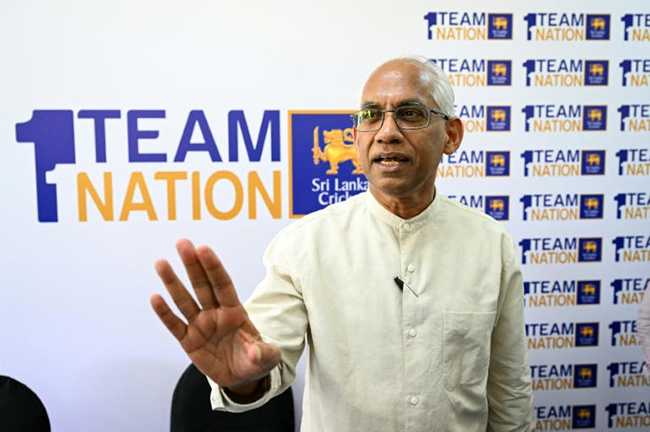
(AFP)Financial irregularities surrounding Sri Lankan cricket were far worse than feared, government-appointed administrators said Thursday, promising a full accounting and sweeping reforms.
“We have already ordered a forensic audit of the accounts,” Eran Wickramaratne, interim president of Sri Lanka Cricket (SLC), told his first news conference since taking office last month.
He said financial irregularities were “far greater than initially feared”.
He said the new SLC leadership — handpicked by the government of President Anura Kumara Dissanayake — would bring in sweeping reforms as concerns linger over international sanctions.
The current administration was appointed following the mass resignation of SLC’s elected officials last month — a move that raised fears of possible suspension by the International Cricket Council (ICC) over political interference.
The SLC, the country’s richest sports body, was suspended for two months in 2023 on similar grounds.
Wickramaratne, however, said discussions with the ICC were underway on reforming the SLC.
“Our talks with the ICC have been extremely cordial and constructive,” he said.
“We have been very open and transparent in what we are doing, and they want us to pursue open and transparent methods in doing this.”
Reforms include drafting a new constitution aimed at curbing abuses that allowed groups to retain power for a prolonged period, he added.
Four-time SLC president Shammi Silva and his entire committee stepped down in April after the government intervention, clearing the way for the current overhaul.The previous administration had also faced criticism over the national team’s performances, including an early exit from the T20 World Cup, which Sri Lanka co-hosted with India earlier this year.
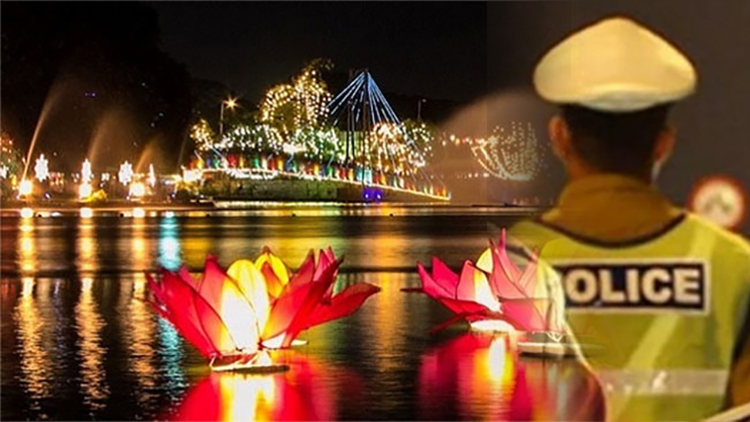
The Police have announced a special islandwide security programme for Vesak Week to ensure the public can observe religious activities in a peaceful and secure environment, free from fear or inconvenience.
The Police Department said the measures have been introduced in view of heightened religious observances across the country during the Vesak season, with Buddhists worldwide preparing to mark Vesak Full Moon Poya Day on 30 May 2026.
Authorities said large crowds are expected at major Buddhist sites, including ancient places of worship, while Vesak lantern displays, pandals and Bhakthi Gee programmes will be held across the island.
Under the special security plan, the Inspector General of Police has directed all police stations to take steps to minimise traffic congestion and ensure public convenience in areas with high footfall.
The Police Department said enhanced day and night mobile patrols will be deployed across all divisions, alongside special security operations aimed at safeguarding public safety and protecting property during the festive period.
Authorities also warned that strict legal action will be taken against individuals or groups whose behaviour is deemed to undermine the dignity and sanctity of Vesak or cause inconvenience to devotees.
In a set of public guidelines issued for the season, the Police Department urged organisers of Dansal programmes to comply with health and safety standards and implement proper crowd management measures to prevent congestion.
The public has also been advised to refrain from behaviour deemed inappropriate for the religious season, avoid excessive noise, and ensure responsible use of loudspeakers with prior approval.
Devotees have been requested to abstain from alcohol and narcotic substances during Vesak activities, while being urged to remain vigilant against theft in crowded areas and ensure the safety of children and elderly persons.
The Police Department further encouraged the public to report emergencies via hotlines 118 and 119, and to submit relevant video footage of traffic violations or environmental offences through designated WhatsApp channels for legal action.
Authorities said the measures are aimed at ensuring that Vesak is observed in a spirit of peace, devotion and public harmony across the country.

PM concludes official visit to UK

Suspect killed after shooting at Secret Service agents, officials confirm

Trump says Iran deal ‘largely negotiated’ including reopening Strait of Hormuz

Showers expected in the Western, Sabaragamuwa and North-western provinces and in Galle, Matara, Kandy and Nuwara-Eliya districts

Devine intervention brings New Zealand back from the dead

US police responding to dozens of shots fired near the White House

‘Dates have the highest sugar content to fight Coronavirus’

Sunday Island 27 December – Headlines

#SundayIsland 17th December – Headlines

Sunday Island – 28th March

Sunday Island Headlines – 21 March

Sunday Island – 21st February – Headlines
-
 Features4 days ago
Octopus, Leech, and Snake: How Sri Lanka’s banks feast while the nation starves
-
 News3 days ago
Steps underway to safeguard Sri Lanka’s maritime heritage
-
 Opinion3 days ago
Murder of Ehelepola family, Bogambara Wewa and Sightings of Wangediya
-
 Sports4 days ago
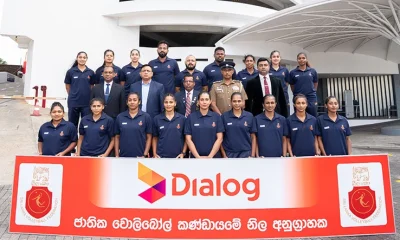
Sri Lanka women’s volleyball team ready for Central Asian challenge
-

 Editorial3 days ago
A play without its protagonist
-
 Midweek Review4 days ago
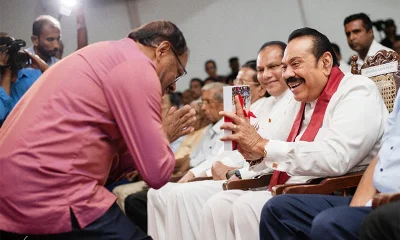
Overall SLPP failures stressed in new Aragalaya narrative
-

 Opinion2 days ago
The need to reform Buddhist ecclesiastical order
-
 Latest News5 days ago
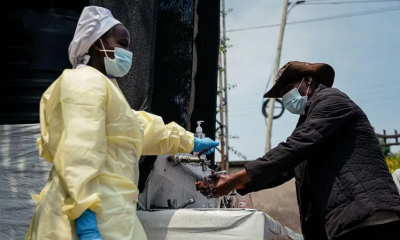
At least 100 dead in Ebola outbreak in DR Congo, official says